

How to Create a Comfortable Reading Corner at Home
A comfortable reading corner does not require a separate library or a large unused room. It needs a supportive place to sit, a surface for the items you reach for, enough light, and a layout that feels pleasantly separate without interrupting the rest of the home.
This guide focuses on one practical question: how do you create a comfortable reading corner at home? The answer begins with your routine. Think about when you read, what you keep nearby, and how much uninterrupted floor space you can give to the setup. A small, deliberate arrangement often works better than filling a corner with furniture that looks inviting but is awkward to use.
Choose a location that supports the habit
Look for a part of the room that feels calm but is still easy to reach. A space beside a window can provide pleasant daytime light, while an underused corner of a living room or bedroom may offer more privacy. Check nearby doors, curtains, radiators, outlets, and walking paths before deciding where the chair will sit.
The reading corner should feel defined without becoming an obstacle. Leave enough room to approach the seat naturally and to use any reclining or adjustable feature described on the product page. If the area is close to a busy route, turn the chair slightly toward a wall, window, or lamp to create a clearer sense of focus.
Start with seating that fits the space
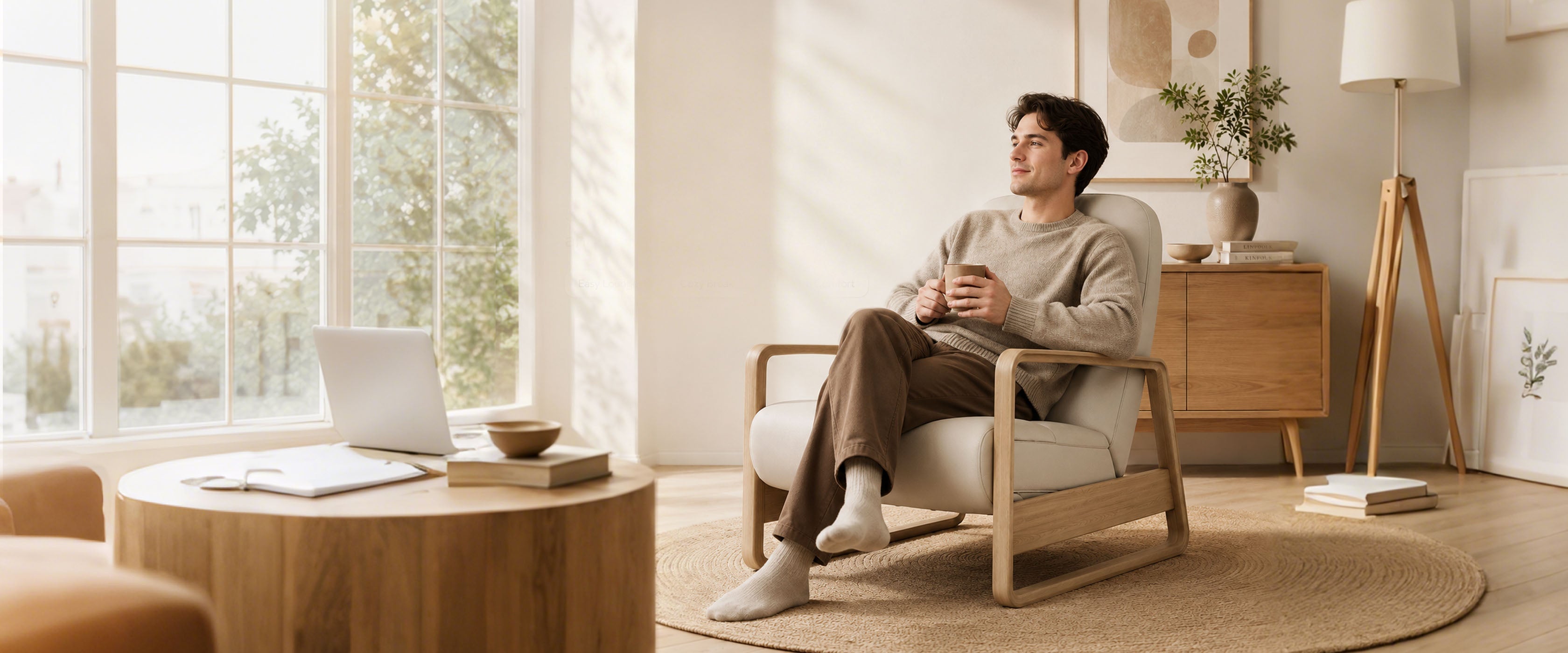
The chair is the anchor of the setup, so compare its full footprint with the usable area rather than judging it from a front-facing image. Consider how the seat relates to your preferred reading posture and whether the surrounding room still works when someone is seated.
The Avelor Leather Recliner Lounge Chair is currently listed as a lounge and reading chair with a reclining format. Its product page is the right place to confirm the current dimensions, material details, and operating information before planning the final position. Tape out the footprint on the floor if you are unsure; this quickly shows whether nearby drawers, doors, or curtains remain usable.
Add a side surface for the essentials
A reading corner becomes easier to use when a book, drink, glasses, or phone has a clear place to land. The surface should sit close enough to reach comfortably but should not crowd the chair or narrow the approach. Think about what you actually use while reading instead of choosing a table only because its finish matches the room.
For a compact and movable option, the Arden Red Walnut Mobile Side Table is listed as a rolling side table with storage-oriented use. A movable piece can be helpful when the reading corner shares space with other activities, because the surface can be repositioned as needed. Confirm the current dimensions and details on the product page, then test where it sits in relation to the chair.
Use concealed storage when the corner needs to stay tidy
If you keep notebooks, chargers, reading glasses, or several books nearby, a small cabinet can reduce visual clutter. Concealed storage is especially useful in a bedroom or multipurpose room where the reading area needs to look calm after the book is closed.
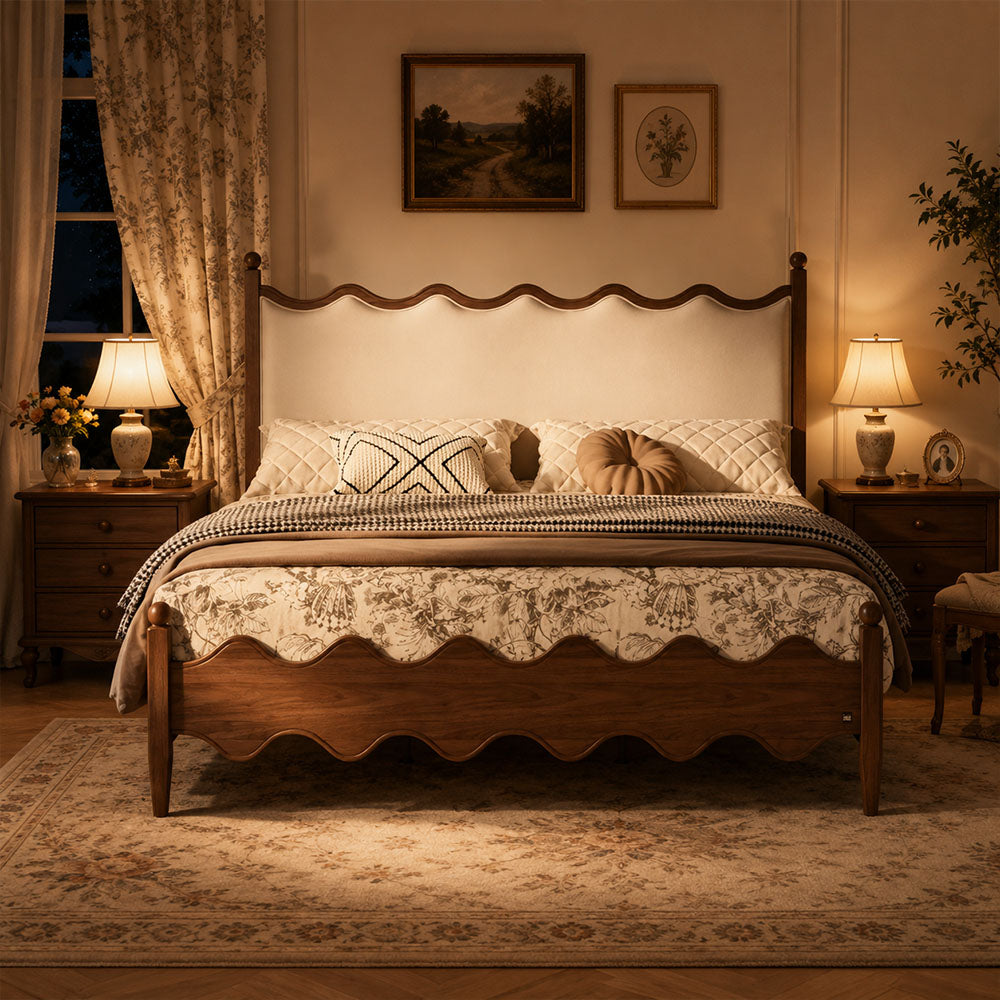
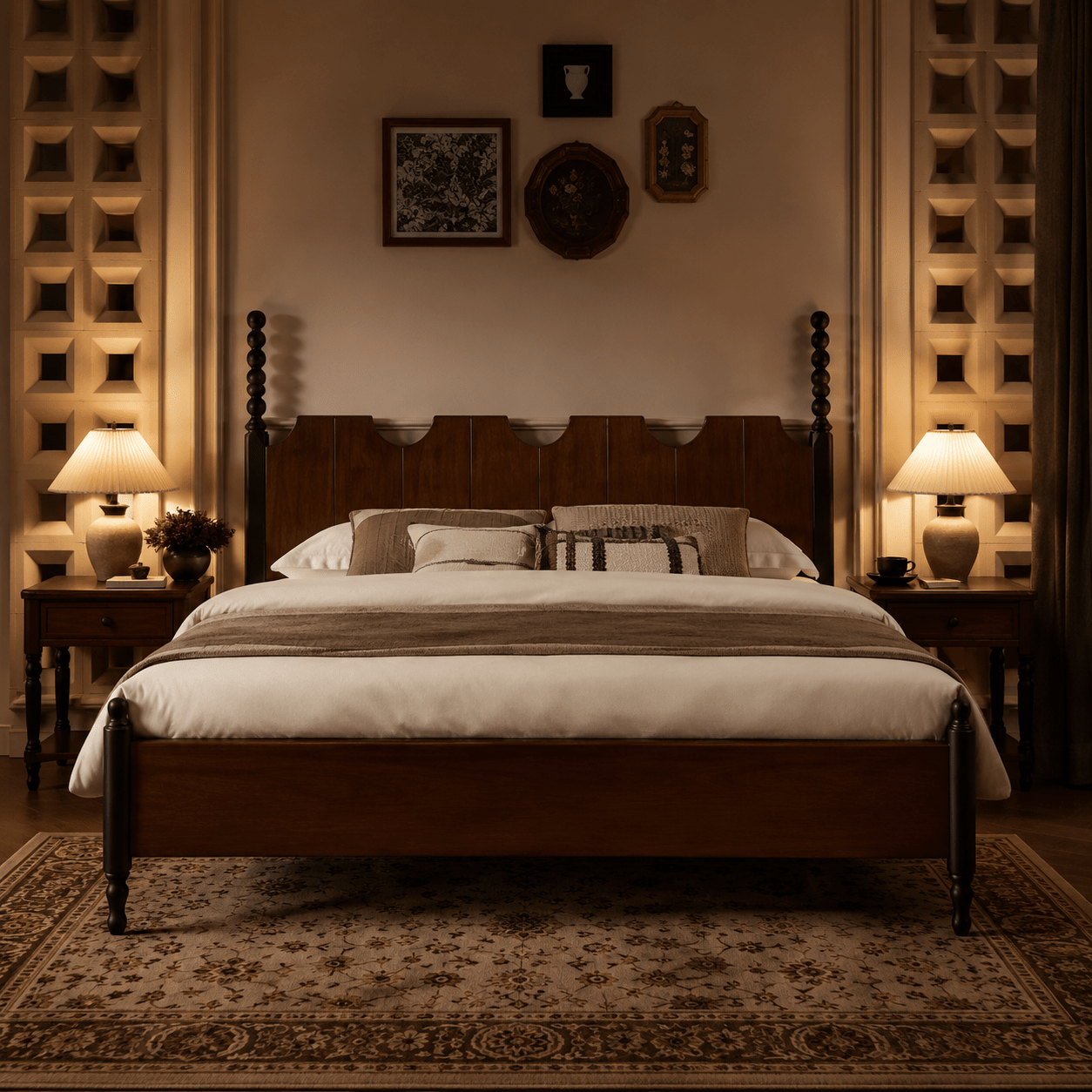
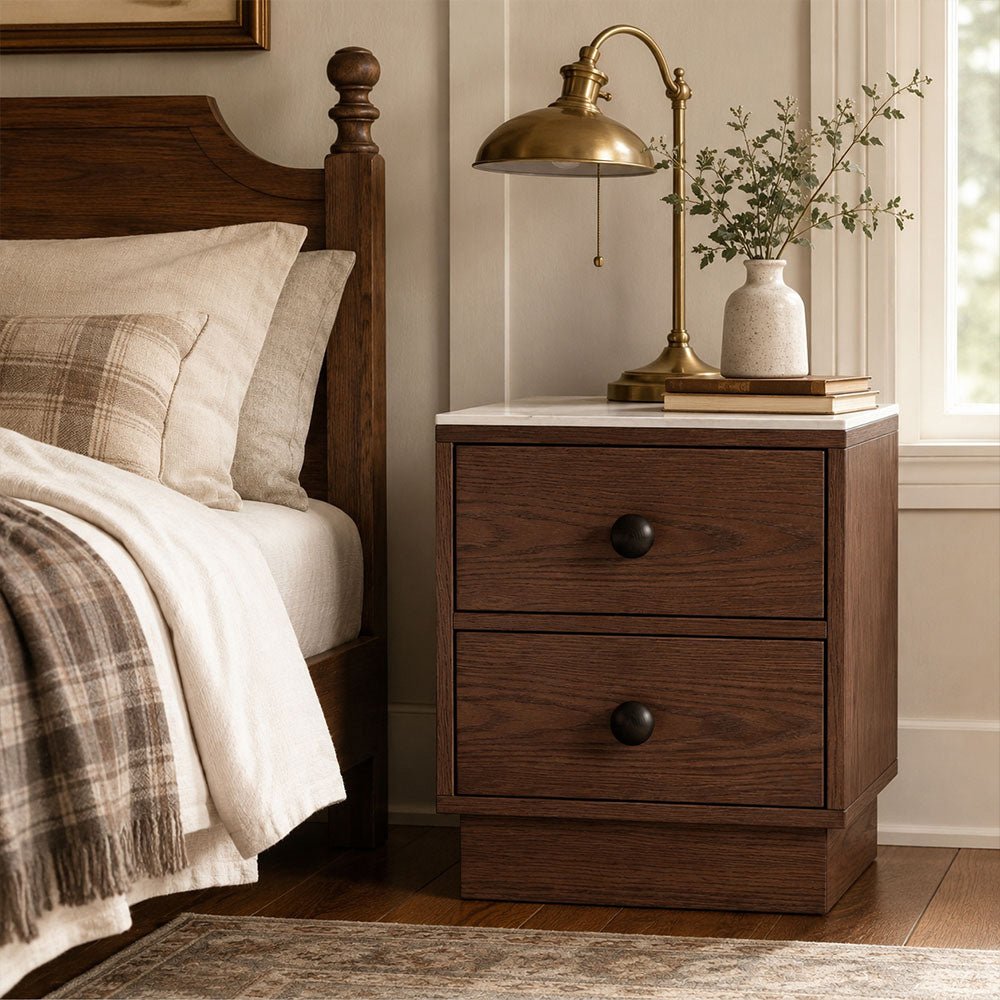
The Nora Solid Wood Nightstand is listed with two drawers and a compact form. Although designed as a nightstand, a piece with this scale can also support a reading setup when its dimensions and storage arrangement suit the available space. Keep the top edited: one lamp and the current book are often enough.
Plan light for the time you normally read
Daylight is useful, but it should not be the only source of illumination. If you read in the evening, place a lamp so the page is evenly lit without producing uncomfortable glare. Check where the nearest outlet is and keep cords away from the main walkway.
It helps to test the corner at the actual time you expect to use it. Sit down with a book, switch on the lamp, and notice whether you cast a shadow across the page. Small changes to the chair angle or lamp position can make the corner much more comfortable without adding more furniture.
Create separation with restraint
A rug, nearby wall art, or a repeated wood tone can visually connect the chair, side surface, and lamp. You do not need a complete matching set. Choose one or two common notes and allow the negative space around the furniture to define the zone.
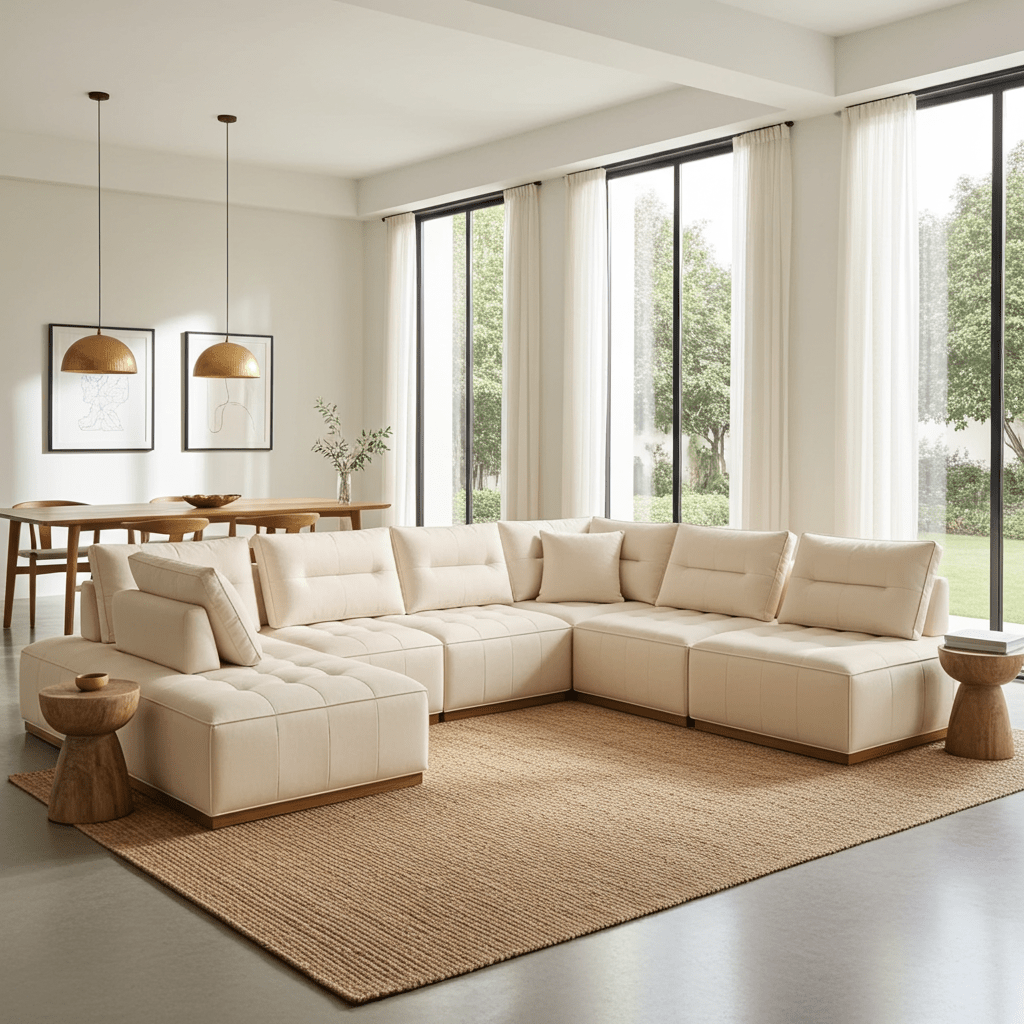
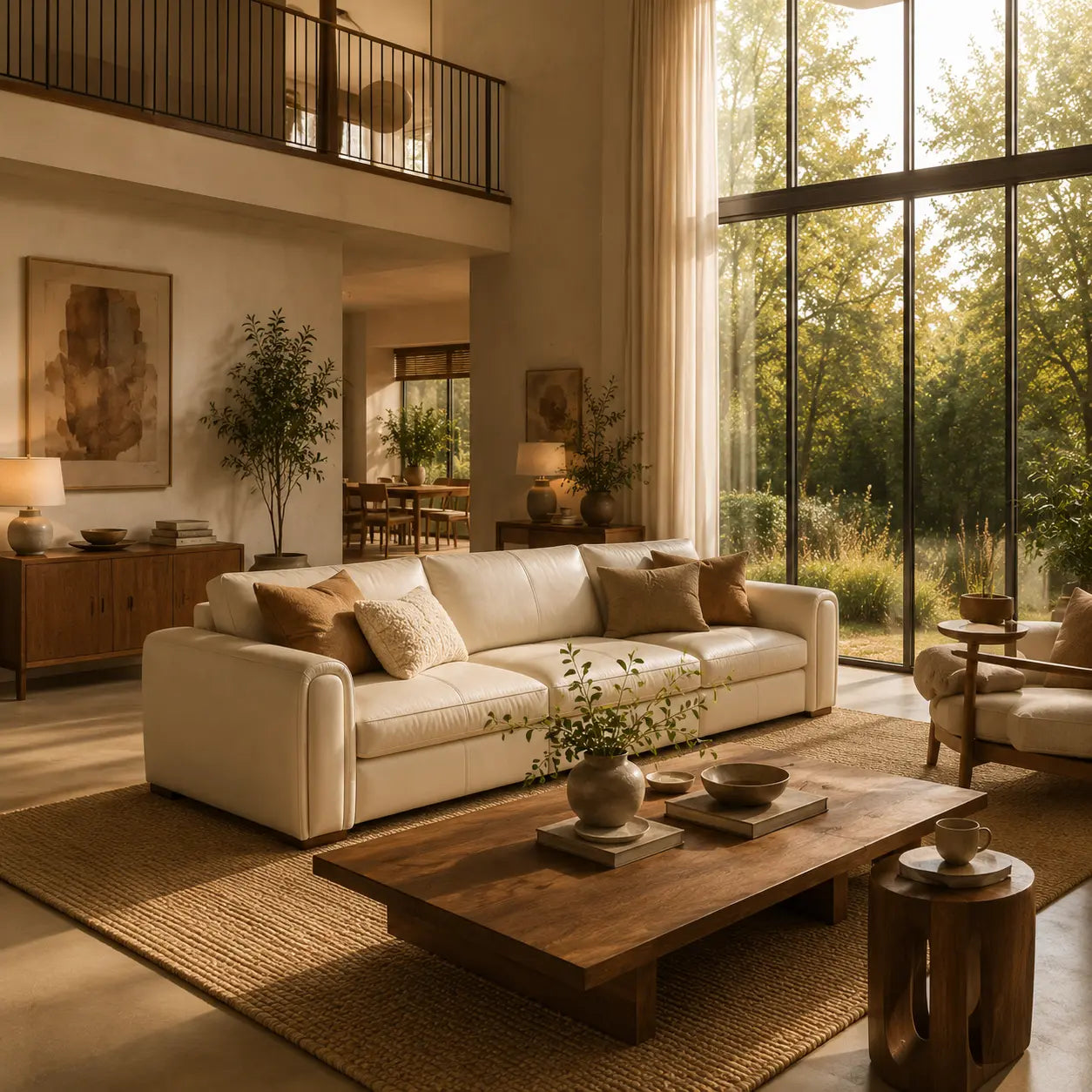
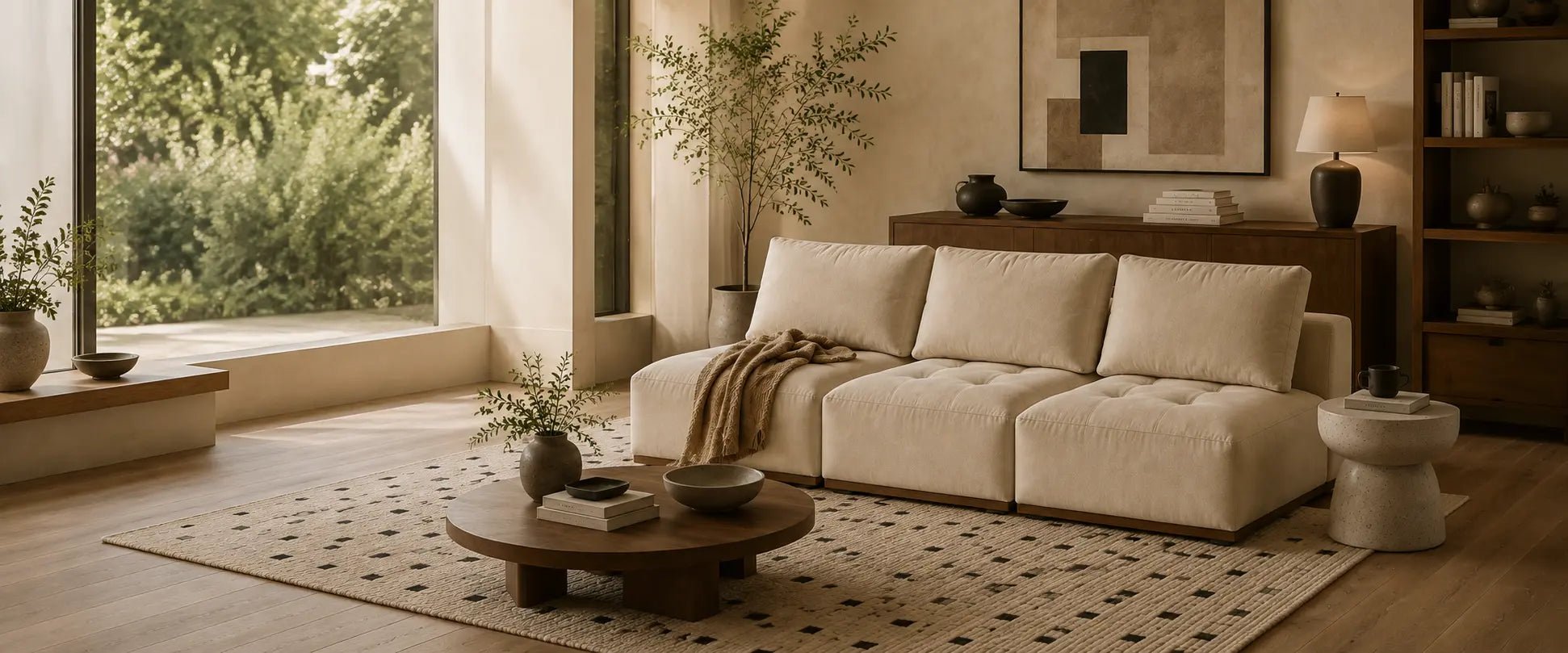
For additional seating ideas, browse the WinSpaces Sofa collection, then return to individual product pages to verify the exact details that matter for your room.
A reading-corner checklist
- Choose a calm location that does not block doors or daily walking paths.
- Measure the complete seating footprint and any space needed around it.
- Add one reachable surface for a book, drink, glasses, or phone.
- Use concealed storage only when it solves a real need.
- Test the lighting at the time of day when you normally read.
FAQ: creating a reading corner
How much space do I need for a reading corner?
There is no universal minimum. Measure the chair and side surface you are considering, then preserve a clear approach and normal movement around the room.
Where is the best place to put a reading chair?
Choose a calm, reachable area with workable lighting and no conflict with doors, curtains, storage, or busy circulation paths.
Do I need a side table?
Not always, but a reachable surface can make the corner more practical by giving everyday items a consistent place.
Can a nightstand be used beside a reading chair?
Yes, if its height and footprint work with the chair and if the drawers provide storage you will actually use.
Final thought
The best reading corner is the one you want to return to. Begin with a location that feels calm, choose furniture according to real measurements, and keep the setup focused on the simple routine of sitting down with a book.
Next step: review the Avelor Leather Recliner Lounge Chair and map out a reading corner around the space available in your home.

Written by win spaces


Leave a comment
This site is protected by hCaptcha and the hCaptcha Privacy Policy and Terms of Service apply.